

TL;DR:
- Strong buy stocks are high-conviction analyst recommendations forecasting 20% or more gains within 12 months.
- These stocks often show robust growth, upside potential, and positive industry catalysts, but require careful analysis.
- Portfolio strategies based on top analyst picks can generate around 17% annual abnormal returns.
Analyst ratings flood investor dashboards daily, yet most recommendations cluster around vague optimism rather than genuine conviction. Knowing which stocks carry a true strong buy consensus, and why, can meaningfully separate outperforming portfolios from average ones. This article clarifies what the strong buy rating actually signals, presents evidence on how these stocks perform in practice, and gives you a repeatable framework to identify the next wave of top-rated opportunities before the broader market catches on.
Key Takeaways
| Point | Details |
|---|---|
| Analyst ratings are bullish | Nearly half of all analyst recommendations are buy or strong buy, with very few sell ratings. |
| Strong buy picks can outperform | Portfolios built on strong buy stocks have achieved about 17% annual abnormal returns. |
| Use ratings with your own research | Blend ratings with independent analysis and updates for the best investing results. |
| Tools make it easier | Stock screeners help you identify and track strong buy stocks efficiently. |
What does 'strong buy' really mean?
A strong buy is the highest-conviction rating an analyst can assign to a stock. It sits above a standard buy, and well above hold, underperform, or sell. When an analyst issues a strong buy, they are forecasting meaningful price appreciation, typically 20% or more above current levels, within a defined time horizon, usually 12 months.
Analysts build these ratings by combining quantitative models (earnings forecasts, discounted cash flow analysis, price-to-earnings multiples) with qualitative judgment about management quality, industry positioning, and competitive dynamics. Ratings are then reviewed by internal committees before publication. Importantly, analyst ratings skewed bullish at roughly 49% buy or strong buy, while fewer than 8% carry a sell designation.
That asymmetry matters. The bullish tilt means a strong buy is still a differentiated signal, but not every one is equal. Factors that typically push a stock to strong buy status include:
- Robust revenue and earnings growth, above the sector median
- Significant upside to consensus price target, often 25% or more
- Positive industry catalysts, such as regulatory tailwinds or new product cycles
- Strong balance sheet, with manageable debt and solid free cash flow
- Positive earnings revision trend, with estimates moving higher over recent weeks
"Analyst recommendations are skewed toward the optimistic end of the scale. Investors should treat a strong buy as a signal worth investigating, not a guaranteed outcome."
To analyze stocks for smarter decisions, you need to look past the rating label and evaluate the underlying thesis. Understanding what the analyst expects, and whether that expectation is realistic, is the real skill.
Top strong buy stocks: Analyst favorites
Armed with a clear definition, let's look at current strong buy stocks and what sets them apart in 2026.
Several sectors are generating outsized strong buy consensus right now. Technology continues to dominate, driven by artificial intelligence infrastructure spending and cloud platform expansion. Healthcare, particularly biotech stocks to watch, is attracting attention as late-stage clinical pipelines mature. Energy transition plays and industrial automation firms round out the themes analysts are most excited about.
Stocks frequently appearing on consensus strong buy lists share a few common traits:
- Nvidia (NVDA): AI chip leadership, dominant market share in data center GPUs, consistently raising guidance
- Eli Lilly (LLY): GLP-1 drug portfolio with multi-year revenue runway, strong pipeline, pricing power
- Microsoft (MSFT): Cloud and AI integration across enterprise software, recurring revenue model with high margins
- Arista Networks (ANET): Networking infrastructure benefiting from hyperscaler AI buildout, high gross margins
- Cheniere Energy (LNG): Long-term LNG contract backlog, cash flow visibility, shareholder return programs
These aren't stock tips. They illustrate the type of characteristics analysts reward with their highest rating. For broader ideas, top 5 star stocks can surface additional names fitting this profile.
Research backs the logic behind chasing consensus strength. Portfolios of top-quintile analyst picks based on target price ratios generate roughly 17% annual abnormal returns, a meaningful edge over passive indexing.
Pro Tip: Consensus is a starting point, not a conclusion. When five or more analysts independently issue strong buy ratings within a 30-day window, that clustering signals unusually high conviction worth your deeper attention.
How do strong buy stocks perform? Evidence from recent studies
After seeing what qualifies as a strong buy, here's what the numbers reveal about their real-world returns.
Academic research provides a clear picture. Top analyst picks yield approximately 17% annual abnormal returns when portfolios are constructed around the strongest relative analyst views, specifically those with the highest target price to current price ratios. That figure is risk-adjusted and represents genuine alpha over benchmark indices.

| Rating category | Estimated annualized return vs. benchmark |
|---|---|
| Strong buy | +17% abnormal return |
| Buy | +5% to +8% abnormal return |
| Hold | Near market, +1% to +2% |
| Sell | Negative alpha, often 5%+ below market |
There are important caveats. Transaction costs, tax drag, and the clustering of ratings around popular mega-cap stocks can erode real returns for retail investors. Most of the academic edge is captured by institutional players who execute on revisions within hours of publication.
"The strongest market reactions occur when analysts revise ratings, not when they initiate them. Watching for upgrades to strong buy is often more valuable than tracking existing ratings."
This is why monitoring top stocks for rating changes matters as much as the rating itself. Using a stock return calculator to model different entry points against analyst price targets can help you pressure-test whether the stated upside justifies the position size you're considering.
The typical holding period for capturing strong buy outperformance spans six to twelve months, aligning with the standard analyst forecast horizon. Stocks tend to drift toward price targets gradually, with sharper moves clustering around earnings events and macro data releases.
How to find your own strong buy stocks
Performance data is compelling, but how can you spot the next wave of strong buy stocks yourself?
The key is combining quantitative screening with timely, revision-aware monitoring. Analyst recommendations are often static, with many ratings unchanged for more than 230 days, while target prices change far more frequently. That gap is where opportunity lives.
Here is a practical, step-by-step process:
- Screen for consensus ratings. Filter for stocks where three or more analysts assign a strong buy, reducing the risk of outlier opinions distorting your view.
- Check recent revision activity. Prioritize stocks where ratings or price targets were revised upward within the last 30 days. Fresh conviction beats stale optimism.
- Calculate the upside gap. Divide the consensus price target by the current price. Stocks with a ratio above 1.20, meaning 20%+ implied upside, are worth further review.
- Validate with fundamentals. Confirm revenue growth is accelerating or stable, margins are expanding or protected, and debt levels are manageable. A strong buy on a deteriorating balance sheet is a red flag.
- Identify industry catalysts. Earnings season, product launches, regulatory approvals, and macro shifts can act as triggers that close the gap between price and target faster.
You can surface trending stocks 2026 to cross-reference volume momentum with analyst conviction, adding a behavioral layer to your screen. Also, learning to analyze stocks for smart investing ensures you evaluate the business, not just the rating.
Pro Tip: Never rely on a rating that is more than 90 days old without checking whether the thesis has been reaffirmed. Markets move fast, and an analyst's view from last quarter may not reflect today's reality.
Why 'strong buy' stocks aren't a shortcut and how to use ratings wisely
It's tempting to treat a strong buy consensus as a green light and move on. That instinct is understandable but costly. Analyst ratings are built on models and assumptions that can lag new market realities by months. Herding behavior is real: once one prominent analyst upgrades a stock, others often follow, amplifying the signal without adding independent information.
The investors who extract the most value from expert stock picks are those who use ratings as a first filter, not a final answer. They read the underlying research notes, challenge the key assumptions, and track whether the stated catalysts are materializing on schedule. Strong buy ratings are a map, not a destination. The best results come from pairing that map with your own conviction and a disciplined re-evaluation process every quarter.
Find and track strong buy stocks with Tickerplace
Ready to put your strong buy stock strategy into action? Tickerplace gives you the tools to move from research to decision with confidence.
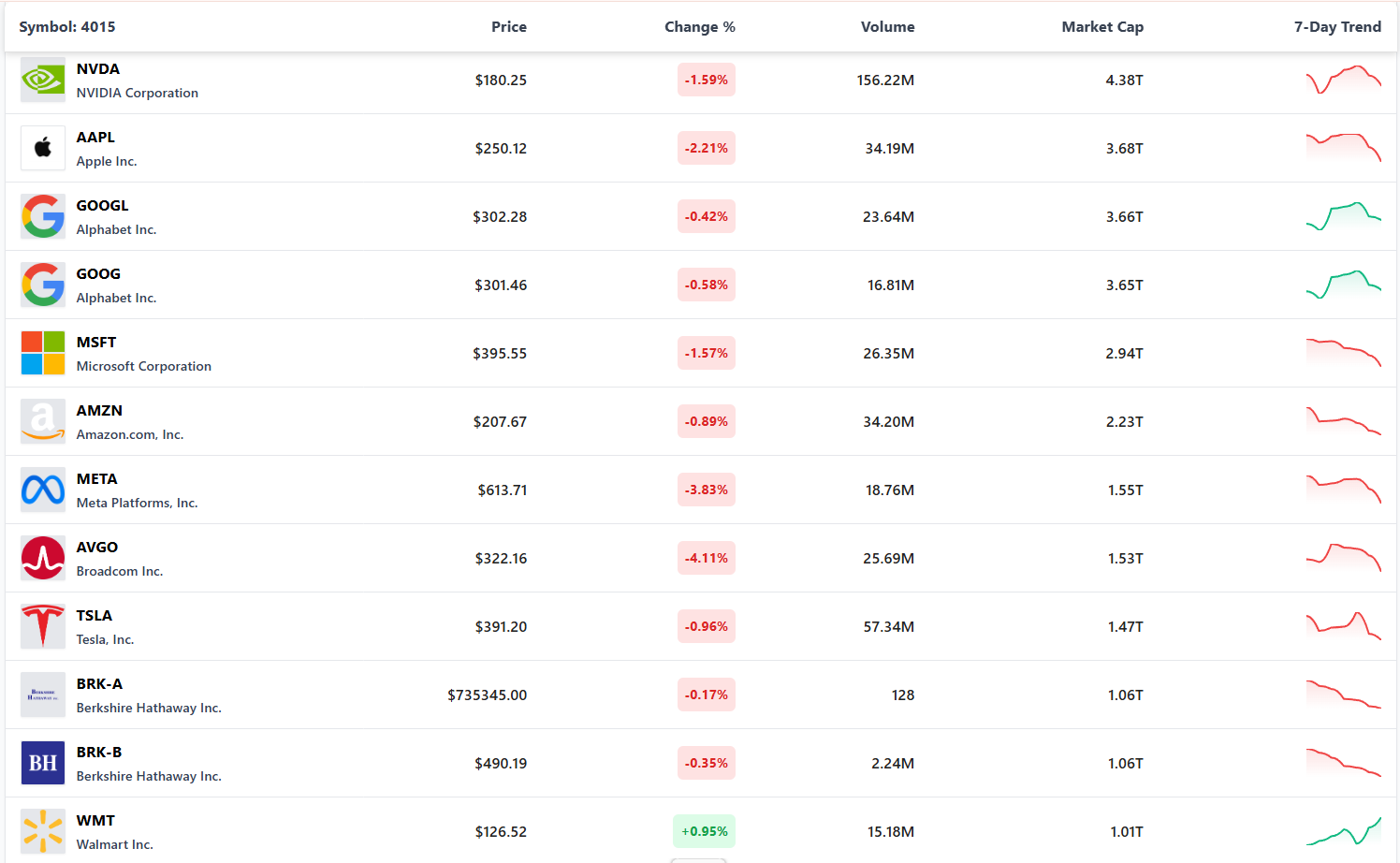
Use the stock screener tool to filter by analyst consensus, upside to price target, and revision activity in one place. Run scenarios through financial calculators to model potential returns before you commit capital. The Tickerplace research dashboard brings real-time data, technical analysis, and fundamental metrics together so you can evaluate any strong buy candidate with the depth it deserves.
Frequently asked questions
How often do analysts update strong buy ratings?
Analysts typically update ratings less frequently than target prices, with many ratings unchanged for more than 230 days. Target prices shift more often in response to new earnings data.
Do strong buy stocks usually outperform the market?
Yes. Portfolios built on analysts' top strong buy picks have shown roughly 17% annual abnormal returns, outperforming standard market benchmarks on a risk-adjusted basis.
What are the main criteria for a strong buy rating?
Strong buy ratings reflect optimistic earnings forecasts, robust financials, industry leadership, and positive near-term catalysts, all confirmed by a bullish analyst consensus where fewer than 8% of ratings are sells.
Should I buy only strong buy stocks?
Strong buy ratings work best as a screening layer, not a sole decision driver. Combining them with independent fundamental analysis and revision monitoring leads to better, more informed investment outcomes.